备注:已完结
类型:剧情片
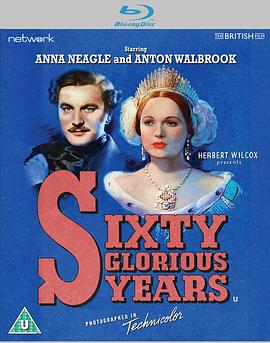
主演:Anna Neagle Anton Walbrook C. Aubre
语言:英语
年代:未知
简介:李恩美韩国电影Sixty Glorious Years is an exercise in the creation of iconography, both for Victoria and its star, Anna Neagle (who subsequently became known as 'Regal Neagle'). Just as Elizabeth I commissioned artists to create flattering iconic images for public consumption, so this film performs a similar function, for Neagle is more beautiful than the real life Victoria. Controversial events (such as the 'Irish problem') are omitted and unpleasant aspects of Victoria's character (her petulance, arrogance, favouritism and 'right to privilege') are glossed over as endearing little 'whims'. Albert acts as a moderating influence when she goes too far. The film followed a year after the highly successful Victoria the Great (d. Herbert Wilcox, 1937). Again the screenplay is by Miles Malleson and Robert Vansittart, and many of the supporting cast (the cream of acting talent of period) repeat their roles, this time for the colour cameras. This was the first full length Technicolor film of cinematographer Freddie Young, who captures the spectacle of royal weddings, grand balls and opulent interiors, with scenes actually filmed at royal palaces. Vivid battle scenes, set in Alexander Korda's empire territory (Sevastopol and the Sudan), rival those in The Four Feathers (d. Zoltan Korda 1939). The title music sets the tone a regal choir sings over a shot of the crown. Elgar's 1901 'Pomp and Circumstance' march is heard during the diamond jubilee celebrations and, as Victoria's coffin lies in state, the film concludes with Anthony Collins' stately music accompanied by the text of Rudyard Kipling's 'Lest we forget'. Combined with the emotional appeal of scenes of Victoria connecting with her 'ordinary folk', this is stirring stuff. The film connects with contemporary events of 1938. The release of two celebratory royal films was intended to boost public affection for the monarchy in the wake of Edward VIII's abdication. Anglo-German relations were another touchy subject. With another war on the horizon, influential voices wanted appeasement, and the film could be seen to fit that agenda. Victoria herself was of mainly German descent, nicknamed 'the grandmother of Europe', while Albert is a 'good German', charmingly played by Anton Walbrook as a cultured, decent man. Sixty Glorious Years now seems unduly formal and reverential. Had movies existed during Victoria's reign (they only emerged at the end) this might have been the kind of film produced. Unlike Mrs Brown (d. John Madden, 1997), it is all so very 'Victorian'. Roger Philip Mellor
备注:已完结
类型:剧情片
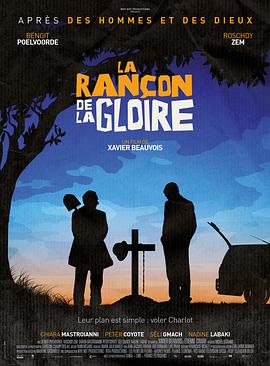
主演:伯努瓦·波尔沃德 罗什迪·泽姆 Séli Gmach 齐雅拉·马斯楚安
导演:泽维尔·布瓦
语言:法语
年代:未知
简介:故事发生在七十年代末期的日内瓦,来自比利时的艾迪(贝诺特·波尔沃尔德 Benoît Poelvoorde 饰)因为行骗锒铛入狱,当他好不容易熬完了他的刑期时,已经年逾四十菜牙电影网。出狱后没多久,艾迪就遇到了他从前的朋友,朋友收留了无家可归的艾迪,但作为交换条件,艾迪必须担负起照顾他年仅7岁的小女儿萨米拉(Séli Gmach 饰)的责任,因为萨米拉的母亲目前正在生病住院之中。 圣诞节将至,四处都洋溢着浓烈的节日气氛,艾迪再也无法忍受贫穷而又无望的生活了,他决定重操旧业给自己小赚一笔。电视里传出了影视明星查理卓别林去世的新闻,机敏的艾迪从中发现了商机。
备注:已完结
类型:剧情片
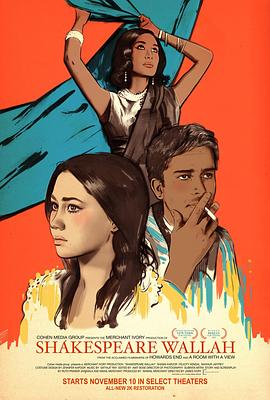
主演:沙希·卡普尔 费莉西蒂·肯德尔 杰弗里·肯德尔 Laura Lidde
导演:詹姆斯·伊沃里
语言:英语
年代:未知
简介:故事讲述生活在印度的一个英国家族剧狎鸥亭白夜电视剧全集在线观看。他们在城镇和乡村间巡回演出莎士比亚的戏剧。透过他们的旅程,观众可看见印度的面貌在不断变化,旧事物被新事物所取代,印度王公变成了酒店老板,体育运动变得比文化活动更重要,传统剧院被宝莱坞电影所取代。影片改编自Geoffrey Kendal和他女儿Felicity Kendal的游记。 导演:James Ivory《看得见风景的房间》《此情可问天》 获奖:1965年柏林电影节最佳女演员奖

备注:已完结
类型:剧情片
主演:奈尔·马利克·阿卜杜拉 Christoph Bittenauer 杰尔
导演:沃夫冈·格罗斯
语言:其它
年代:未知
简介:在一个幽静的小镇,有个小女孩莉莉,她是一个再正常不过的十岁女孩,直到某一天一本魔法书和小小的、笨拙的守护兽——一条小龙出现在她的房电影院最近上映的电影。来自神秘魔法世界的女巫,指定了莉丽作为她的继任者。
备注:已完结
类型:剧情片
主演:Sheila Francisco Rocky Salumbides B
语言:菲律宾语,英语
年代:未知
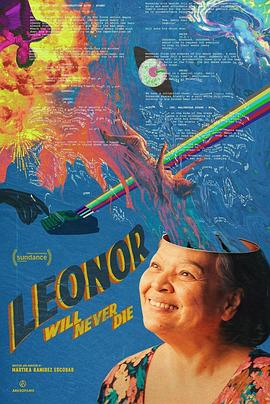
简介:莱昂诺是一位努力与生活缠斗,试图养家糊口的中年妇女。当她无意间读到剧本征集的广告后,她想起了曾经的电影生涯,想继续年轻时未完成的剧本创作。天不遂人愿,突发的意外将她的身体困在病榻,灵魂却因此闯进了她创作的故事中,上演了一场又一场令人目不暇接、天马行空的大冒险湿老影院
备注:已完结
类型:剧情片
主演:伊芙琳·普雷尔 Flo Clements 詹姆斯·D·鲁芬 Jack
导演:奥斯卡·米绍
语言:其它
年代:未知
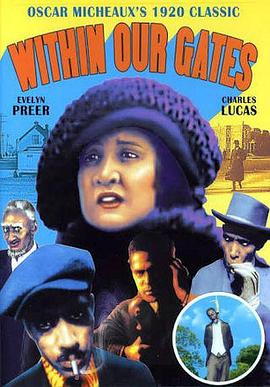
简介:好看的姐弟恋韩剧Abandoned by her fiancé, an educated negro woman with a shocking past dedicates herself to helping a near bankrupt school for impoverished negro youths. Within Our Gates was created in response to The Birth of a Nation which depicted southern whites in need of the Ku Klux Klan to protect them from blood thirsty blacks. Micheaux shows the reality of Dixie racism in 1920, where a black man could be lynched for being in the wrong place at the wrong time.