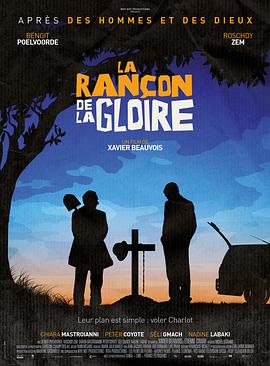
备注:已完结
类型:剧情片
主演:伯努瓦·波尔沃德 罗什迪·泽姆 Séli Gmach 齐雅拉·马斯楚安
导演:泽维尔·布瓦
语言:法语
年代:未知
简介:故事发生在七十年代末期的日内瓦,来自比利时的艾迪(贝诺特·波尔沃尔德 Benoît Poelvoorde 饰)因为行骗锒铛入狱,当他好不容易熬完了他的刑期时,已经年逾四十菜牙电影网。出狱后没多久,艾迪就遇到了他从前的朋友,朋友收留了无家可归的艾迪,但作为交换条件,艾迪必须担负起照顾他年仅7岁的小女儿萨米拉(Séli Gmach 饰)的责任,因为萨米拉的母亲目前正在生病住院之中。 圣诞节将至,四处都洋溢着浓烈的节日气氛,艾迪再也无法忍受贫穷而又无望的生活了,他决定重操旧业给自己小赚一笔。电视里传出了影视明星查理卓别林去世的新闻,机敏的艾迪从中发现了商机。
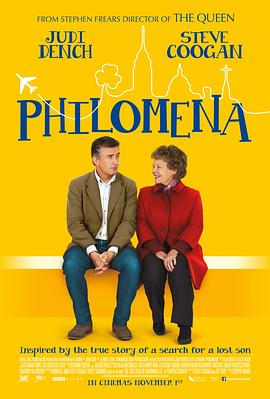
备注:已完结
类型:剧情片
主演:朱迪·丹奇 史蒂夫·库根 苏菲·肯尼迪·克拉克 梅尔·温宁汉姆 芭芭拉
导演:斯蒂芬·弗雷斯
语言:英语
年代:未知
简介:1952年的爱尔兰,社会风气保韩国电影图书馆。少女菲洛米娜(朱迪·丹奇 Judi Dench 饰)因未婚怀孕,被家人送往修道院从事苦役,每天只有1小时与爱子安东尼相处。在安东尼3岁的时候,他被修女们强行抱走,送往美国寄养家庭。此后整整五十年菲洛米娜都沉浸在对爱子的思念中。她将故事告诉了一位记者马汀(史蒂夫·库根 Steve Coogan 饰),后者决定与她一同踏上寻子之旅。这对个性迥异、看似不可能成立的搭档,在希望与失落之间,展开的不只是慈母寻子的冒险,更是跨越友谊的见证。菲洛米娜慢慢了解到儿子不平凡的一生和鲜为人知的秘密,她这份迟来的爱能传递到失散多年的安东尼身上吗? 《菲洛梅娜》改编自 BBC记者马汀·斯克斯史密斯的纪实文学《菲洛梅娜遗失的孩子》,取材自真人真事。电影围绕一位母亲半个世纪后的跨海寻子,用喜剧的外观包装悲剧故事,让人在笑泪交织中收获感动,并且给予同性恋、艾滋以及恐同话题以恰如其分的重量。《菲洛梅娜》获得威尼斯电影节最佳剧本奖和LGBT最高荣誉断背狮奖,此外还得到了包括最佳影片在内的4项奥斯卡提名。
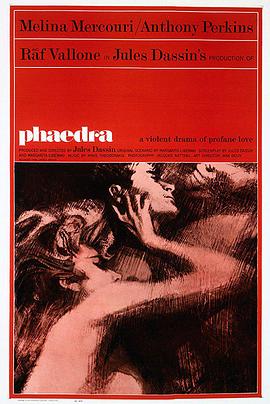
备注:已完结
类型:剧情片
导演:朱尔斯·达辛
语言:英语
年代:未知
简介:郭德纲评书全集A retelling of the Greek myth of Phaedra. In modern Greece, Alexis's father, an extremely wealthy shipping magnate, marries the younger, fiery Phaedra. When Alexis meets his stepmother, sparks fly and the two begin an affair. What will the Fates bring this family Alexis's roadster and the music of Bach figure in the conclusion.
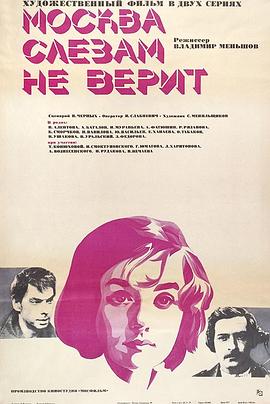
备注:已完结
类型:喜剧片
主演:薇拉·阿莲托娃 阿列克谢·巴塔洛夫 伊琳娜·穆拉维耶娃 亚历山大·法秋
导演:弗拉基米尔·缅绍夫
语言:其它
年代:未知
简介:十七岁的美丽少女卡捷琳娜(薇拉·阿莲托娃 Vera Alentova 饰)假扮成教授的女儿,在一场宴会上邂逅了名为拉齐克夫(尤里·瓦西里耶夫 Yuri Vasilyev 饰)的摄影师,两人很快就双双坠入了情网之笑傲江湖小品全集。然而,当卡捷琳娜的真实身份曝光之后,拉齐克夫残忍的抛弃了她,完全不顾她此时腹中已经怀上的骨肉。 坚强的卡捷琳娜并没有因此而一蹶不振,她决定将孩子生下来,独自抚养长大。一晃眼十六年过去,卡捷琳娜凭借着智慧和努力成为了工厂厂长。某日,一位名叫果沙(阿勒克塞·巴塔洛夫 Aleksey Batalov 饰)让卡捷琳娜再度体会到了心动的感觉,谁知道,她的身份再一次成为了这段感情中的绊脚石。
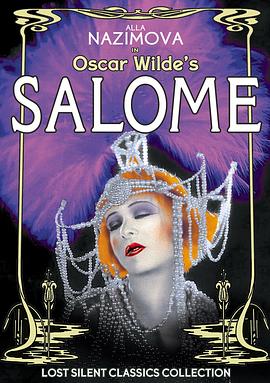
备注:已完结
类型:剧情片
主演:艾拉·娜兹莫娃
语言:其它
年代:未知
简介:日韩色影院Salomé (1923), a silent film directed by Charles Bryant and starring Alla Nazimova, is a film adaptation of the Oscar Wilde play of the same name. The play itself is a loose retelling of the biblical story of King Herod and his execution of John the Baptist (here, as in Wilde's play, called Jokaanan) at the request of his stepdaughter, Salomé, whom he lusts after. Salomé is often called one of the first art films to be made in the U.S.[citation needed] The highly stylized costumes, exaggerated acting (even for the period), minimal sets, and absence of all but the most necessary props make for a screen image much more focused on atmosphere and on conveying a sense of the characters' individual heightened desires than on conventional plot development. Despite the film being only a little over an hour in length and having no real action to speak of, it cost over $350,000 to make. All the sets were constructed indoors to be able to have complete control over the lighting. The film was shot completely in black and white, matching the illustrations done by Aubrey Beardsley in the printed edition of Wilde's play. The costumes, designed by Natacha Rambova, used material only from Maison Lewis of Paris, such as the real silver lamé loincloths worn by the guards. No major studio would be associated with the film, and it was years after its completion before it was released, by a minor independent distributor. It was a complete failure at the time and marked the end of Nazimova's producing career. A longstanding rumor, which seems to have started while the film was still in production, suggests that its cast is comprised entirely of gay and bisexual actors in an homage to Oscar Wilde, as per star and producer Nazimova's demand. It is, of course, impossible to say, but one of the extras in Salomé reported that a number of the cast members—both featured and extras—were indeed gay, but not an unusual percentage of them, and certainly not all of them. What can be said is that Nazimova herself was a lesbian, the two guard characters (who, next to Salomé, have the most screen time) are at least played very stereotypically gay, and several of the female courtiers are men in drag. Salomé was screened in 1989 at the New York International Festival of Lesbian and Gay films and in 1990 at the New York Gay Experimental Film Festival. In 2000, the United States Library of Congress deemed the film culturally significant and selected it for preservation in the National Film Registry.